


Is this a velocity stack??




Originally Posted by William@Altered
i know that with our intake system we use the velocity stack and it's critical to the performance of the product

Originally Posted by Jason@Performance
287 HP Air Box Velocity Stack:
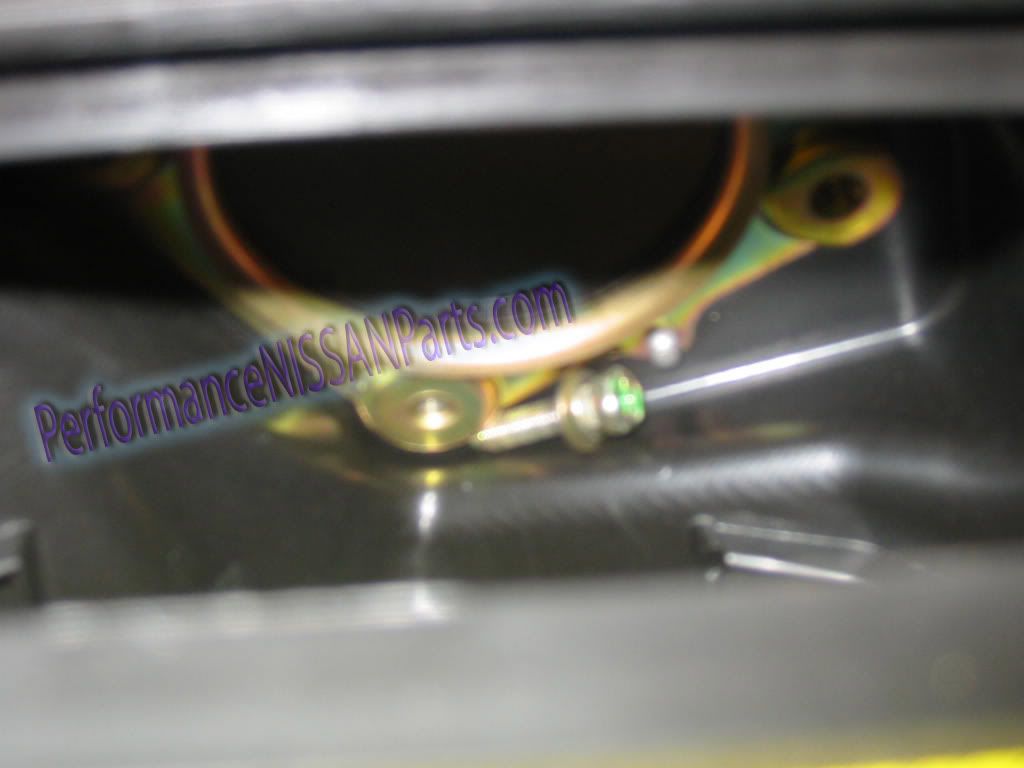
REV-UP Air Box Velocity Stack:
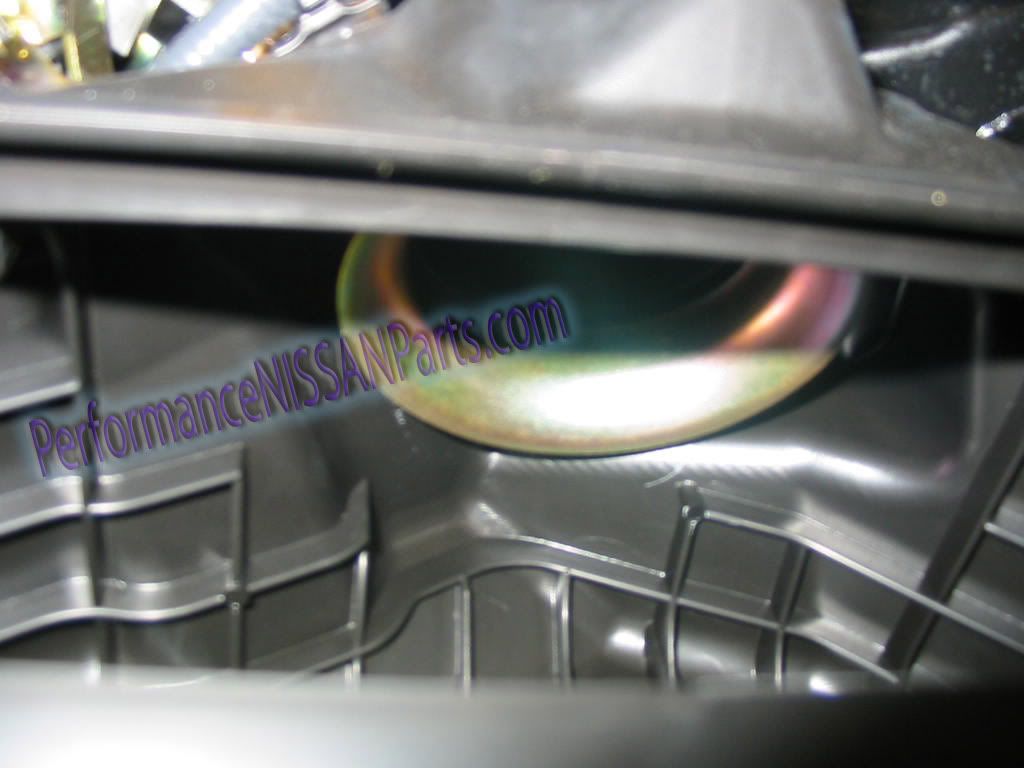
REV-UP Air Box Velocity Stack:
Originally Posted by William@Altered
i know that with our intake system we use the velocity stack and it's critical to the performance of the product
True this would help smooth out any turbulant air flow, but the hole thing about the thread is that is this a velocity stack. I am still saying no, this does not stack the air in the same sence a velocity stack does. The intake pipe is too large and too many obstructions to stack air.
This just smoothes the turbulant air flow using the principles of the venturi effect.

Originally Posted by punish_her
True this would help smooth out any turbulent air flow, but the hole thing about the thread is that is this a velocity stack. I am still saying no, this does not stack the air in the same sence a velocity stack does. The intake pipe is too large and too many obstructions to stack air.
This just smoothes the turbulant air flow using the principles of the venturi effect.
This just smoothes the turbulant air flow using the principles of the venturi effect.
Maybe K&N does not know what a velocity stack is, this one goes on top of a 4 barrel carb, if I'm not mistaking there are 4 butterflies and 8 shared ports on typical setup.
http://store.summitracing.com/egnsea...4&autoview=sku
Or these for a Weber application that also has on butterfly behind it and one to four ports depending on carb configuration.
http://www.automotion.com/ProductPage.aspx?pid=106577
Even in modeling they call it a velocity stack
http://www2.towerhobbies.com/cgi-bin...&P=WR&I=LXCPB2
The Injen site has something to say velocity stacks to but their flash wont let me link it.
Ram charging (what you call stacking) on the VQ is done inside the plenum with the port runners. They also happen to have radiused ends, although inefficient because of the tight spaces, some would also say are velocity stacks as well. I know I would
Bottom line, calling it whatever you like, the radius ease the transition into the pipe. The smoother the transition the higher the flow, up to a point where you max out the pipe itself. If Nissan did not think this was necessary on the higher revving (better breathing) motor they would have saved their RnD and money and left it as it.
Chris
^^
We are saying the same thing it maximizes the air flow more so than a hole. Each of the examples you showed are direct setups for carbs. Those are V-stacks, yes. The bell shape is the same as that peice in the airbox.
V-stacks goes directly into the carb/ individual intake (for sports bikes). The parabolic curve is the same to a point. a the runner on a V-stack is tuned for the power band. Ours is not. It does exactly we are saying it brings more air into the intake filling up the whole intake length on each overlap in valve coverage and the full intake stroke.
We are saying the same thing in 2 diffrent ways man.
V-stacks goes directly into the carb/ individual intake (for sports bikes). The parabolic curve is the same to a point. a the runner on a V-stack is tuned for the power band. Ours is not. It does exactly we are saying it brings more air into the intake filling up the whole intake length on each overlap in valve coverage and the full intake stroke.
We are saying the same thing in 2 diffrent ways man.
Bottom line is, with a venturi you usually have less than 10% pressure drop. With an orifice (just a hole), you can have like 40-50% pressure drop. Just imagine what that would do to intake velocity.
What I am trying to say though is "Velocity Stack", weather ram tuned or just a bell mouth is the accepted name of this part and there is NO venturi affect when using one.
Chris
Chris
Originally Posted by HyperSprite
What I am trying to say though is "Velocity Stack", weather ram tuned or just a bell mouth is the accepted name of this part and there is NO venturi affect when using one.
Chris
Chris

Originally Posted by punish_her
Like calling a coke a sode or soda a coke. The part has the function of smoothing air folw and increasing velocity in our stock or specialy designed intake, even though it doesnot hold the traditional form of a velocity stack or; stack air (pressurize with acoustic reverberaton).
Not to be disrespectful, but I would be interested to understand your background in engineering. You speak with great confidence and authority, but according to my limited understanding, admittedly as a non-engineer, much of what you are saying about the theory and practice of intake system tuning appears to be incorrect. From what I have read and studied, the intake of the 350Z is indeed tuned, and the ramming or "stacking" effect is indeed present. The velocity stack we are discussing is a refinement to the intake track that yields real benefits, but the tuning is strictly a function of the diameter and length of the intake tube. Yes, the tube is connected to a plenum, and not directly to an individual intake runner feeding a combustion chamber. That does not mean it isn’t tuned, that sinus waves are not present, that “packets” of air are not “stacking”. The 350Z intake is a specific length to improve the torque delivery of the engine. If you increase the length of the intake tubing (like some CAI systems) you lower the RPM of the tuned effect. If you were to chop the tubing shorter, you would raise the RPM range of the tuned effect. Once again, I mean no insult, I just think you are incorrect.
Mechanical engineers out there, correct me if I am wrong.

Two excellent, easy to understand explainations of the ram pipe effect:
http://www.chrysler300club.com/uniq/.../ramtheory.htm
http://auto.howstuffworks.com/question517.htm
http://www.chrysler300club.com/uniq/.../ramtheory.htm
http://auto.howstuffworks.com/question517.htm
This is my favorite quote from that first link bilingham,
Chris
Where is Ram Induction Today?
Ram Induction didn't die with the letter cars. In fact, ram induction is so common today that almost every new engine design incorporates the concept. When you look at those snake-like intake manifolds in the new 300M or the PT Cruiser or the V-10 Viper, you are looking at ram induction.
Ram Induction didn't die with the letter cars. In fact, ram induction is so common today that almost every new engine design incorporates the concept. When you look at those snake-like intake manifolds in the new 300M or the PT Cruiser or the V-10 Viper, you are looking at ram induction.
Also look at:
http://www.scuderiatopolino.com/Intake%20Ideas.htm
Best Quote, "Ram Pipe Length and Diameter (Helmholtz Effect) - The Helmholtz Theory was originally derived based on the harmonic effects of audio. He had postulated that a tone, or noise, was a combination of a primary frequency and a number of other secondary additive audio frequencies. Others applied this to fluid and plenum theory. There are three portions to the Helmholtz theory, namely plenum volume, ram pipe diameter and ram pipe length."
http://www.scuderiatopolino.com/Intake%20Ideas.htm
Best Quote, "Ram Pipe Length and Diameter (Helmholtz Effect) - The Helmholtz Theory was originally derived based on the harmonic effects of audio. He had postulated that a tone, or noise, was a combination of a primary frequency and a number of other secondary additive audio frequencies. Others applied this to fluid and plenum theory. There are three portions to the Helmholtz theory, namely plenum volume, ram pipe diameter and ram pipe length."
Originally Posted by bilinghm
Two excellent, easy to understand explainations of the ram pipe effect:
http://www.chrysler300club.com/uniq/.../ramtheory.htm
http://auto.howstuffworks.com/question517.htm
http://www.chrysler300club.com/uniq/.../ramtheory.htm
http://auto.howstuffworks.com/question517.htm
DING DING, that parabolic peice is NOT a velocity stack. It is part of the Ram effect.
I with as many irregulerities the interior of the intake system is not conducive to the production of sinus waves (the driving force for velocity stacks). You need a smooth, strait unobstructed length of tube to create an effective sinus wave to pressurize the air inside.
And from your previous posting, no disrespect intended.
1) I have a degree in applied physics and deal with fluid dynamics and acoustics on a regular basis. Some of the mechenical dynamics are the same for engeneering, except instead of showing how it works my job is to explain the why.
2) Ive been building chevy 350 race engines since I was a teen. I know VQ's are WAY diffrent but the intake dynamics are the same for any engine. Those physics will always remain the same.
So pardon me if I sound over confident or strong opinioned but 95% of the time I know what I'm talking about, when I dont I try to find out where I was wrong.
The original question was IS THIS A VELOCITY STACK.
The overwhelming answer is no, its a tuned port (parabolic opening) for the ram air on the car. Every link that has been thrown up shows that. All the principals and math show that. Whether or not we agree on the presence of the venturi effect, or the effective utilization of a sign wave in any shape or form in the intake.
Please take a look at this site. Look at the pictures, read the text. These are velocity stacks. Take a look inside your airbox. What do you see?
http://www.velocity-of-sound.com/vel...ity_stacks.htm
http://www.velocity-of-sound.com/vel...ity_stacks.htm
"DING DING, that parabolic peice is NOT a velocity stack. It is part of the Ram effect.
I with as many irregulerities the interior of the intake system is not conducive to the production of sinus waves (the driving force for velocity stacks). You need a smooth, strait unobstructed length of tube to create an effective sinus wave to pressurize the air inside."
Excuse me? It must be straight to create a sinus wave?? So that's why all tuned intakes and exhaust headers are perfectly straight??? (sarcasm intended) Oh, you're an expert all right.
I with as many irregulerities the interior of the intake system is not conducive to the production of sinus waves (the driving force for velocity stacks). You need a smooth, strait unobstructed length of tube to create an effective sinus wave to pressurize the air inside."
Excuse me? It must be straight to create a sinus wave?? So that's why all tuned intakes and exhaust headers are perfectly straight??? (sarcasm intended) Oh, you're an expert all right.
It's obvious the scientific term and automotive industry standard terms don't match and there is no point in going on about it.
I still contend it IS a velocity stack as far as the automotive industry is concerned. The proper name is "air horn" but nobody calls them that, probably because it doesn't sound cool, so it's irrelevant.
Chris
I still contend it IS a velocity stack as far as the automotive industry is concerned. The proper name is "air horn" but nobody calls them that, probably because it doesn't sound cool, so it's irrelevant.
Chris
Originally Posted by bilinghm
"DING DING, that parabolic peice is NOT a velocity stack. It is part of the Ram effect.
I with as many irregulerities the interior of the intake system is not conducive to the production of sinus waves (the driving force for velocity stacks). You need a smooth, strait unobstructed length of tube to create an effective sinus wave to pressurize the air inside."
Excuse me? It must be straight to create a sinus wave?? So that's why all tuned intakes and exhaust headers are perfectly straight??? (sarcasm intended) Oh, you're an expert all right.
I with as many irregulerities the interior of the intake system is not conducive to the production of sinus waves (the driving force for velocity stacks). You need a smooth, strait unobstructed length of tube to create an effective sinus wave to pressurize the air inside."
Excuse me? It must be straight to create a sinus wave?? So that's why all tuned intakes and exhaust headers are perfectly straight??? (sarcasm intended) Oh, you're an expert all right.
Show me proof that the intake produces an active sinus wave that actively compresses air in a standard OEM intake system, and I will consent that I am mistaken. Not the parabolic opening smoothing air flow, not any related to venturi/ or lack there of but a true pressurized stacking due to sinus waves and not the air being rammed in.
The diffrence is the setup.
Originally Posted by punish_her
I with as many irregulerities the interior of the intake system is not conducive to the production of sinus waves (the driving force for velocity stacks). You need a smooth, strait unobstructed length of tube to create an effective sinus wave to pressurize the air inside.
Thats why in the site: http://www.velocity-of-sound.com/vel...ity_stacks.htm you see all of the stacks straight. The wave travels the length of the tube and when it hits the parabolic opening it will reflect back into the tube. This rearward reflection is the action that compresses the air. The reason why the specific length is tuned for a specific power band is due to the speed in which the wave reflects back down the length of the tube. They are actualy their most efficient at there tuned RPM Region because the pressurazation is in sync with the intake stroke.
Ram air is only efficient and effecticve when air is being pushed into the intake at a rate faster than the engine consumes it.
Last edited by punish_her; Apr 12, 2006 at 10:11 AM.