


Another happy APS owner


Originally posted by calimarc
I think with GQ explanation and the points I offered the discrepancy in numbers are plausibly explained. Free flowing exhaust makes a big differance with turbo applications. Of course the room to gain power by leaning out the A / F ratio would be where I'd expect more of a differance. Remember these kit come very very rich out of the box leaving much room for power gains with experienced tuning. Last but not least differant dyno types alone can offer so many figures I'm learning. Differant dynos for differant purposes. So I can see an 80 rwhp differance with all these things considered.
I think with GQ explanation and the points I offered the discrepancy in numbers are plausibly explained. Free flowing exhaust makes a big differance with turbo applications. Of course the room to gain power by leaning out the A / F ratio would be where I'd expect more of a differance. Remember these kit come very very rich out of the box leaving much room for power gains with experienced tuning. Last but not least differant dyno types alone can offer so many figures I'm learning. Differant dynos for differant purposes. So I can see an 80 rwhp differance with all these things considered.
I understand what you're saying. I'm just trying to educate myself (from you and others) on the APS kit and its true "out of the box" potential. I realize exhaust makes a bigger difference with turbo application but didn't realize dynos could vary this much with very similar setups.


Banned
Joined: Mar 2004
Posts: 1,289
Likes: 0
From: Australia
Re: Re: My results
Originally posted by BrianLG35C
Huh. Zippycar on 350zmotoring.com dyno'd over 440whp @ 8lbs & conservative tuning. Why such a difference?
Huh. Zippycar on 350zmotoring.com dyno'd over 440whp @ 8lbs & conservative tuning. Why such a difference?


Peter
Banned
Joined: Mar 2004
Posts: 1,289
Likes: 0
From: Australia
Originally posted by BrianLG35C
I agree and thanks for elaborating, but 80hp?
I agree and thanks for elaborating, but 80hp?
Peter
Banned
Joined: Mar 2004
Posts: 1,289
Likes: 0
From: Australia
Originally posted by mojo powered
A dyno dynamics graph could be anywhere from 10 to 15% different from a dynojet!!! Crazy but very true.
To give you an example: An stock STI dynoes at around 210whp on a DD dyno, whereas they dyno closer to 240whp on Dynojet.
A dyno dynamics graph could be anywhere from 10 to 15% different from a dynojet!!! Crazy but very true.
To give you an example: An stock STI dynoes at around 210whp on a DD dyno, whereas they dyno closer to 240whp on Dynojet.
Peter
Banned
Joined: Mar 2004
Posts: 1,289
Likes: 0
From: Australia
Originally posted by BrianLG35C
Thanks Peter, I mean Turbo Peter
Thanks Peter, I mean Turbo Peter
About a year back we tested a highly modded STI on 3 different types of dynos on the one day and had power readings which varied by 50 WHP.
The best dyno test is a back to back test on the one dyno and to compare the before and after power readings, anything else is really a waste of time.
At APS we have run many dyno days for car clubs and it's amazing the WHP that some cars/engines don't have, some guys think they have up to 100 WHP more than they really have, that's why I also like to utilise speed over distance to verify the power measured by the dyno.
If you know the weight of the car and the MPH the car runs over the 1/4 mile then basic math will show you the REAL HORSEPOWER of the engine.
Peter

Originally posted by APS
If you know the weight of the car and the MPH the car runs over the 1/4 mile then basic math will show you the REAL HORSEPOWER of the engine.
Peter
If you know the weight of the car and the MPH the car runs over the 1/4 mile then basic math will show you the REAL HORSEPOWER of the engine.
Peter

Registered User
Joined: May 2004
Posts: 152
Likes: 0
From: Illinois
Originally posted by gq_626
Becuase they likely used an inertial based dyno..such as dynapack or dyno dynamics...etc. The numbers can vary wildly based on how the dyno is setup.
That is why a dynojet is better for car to car comparisons. You are just spinning a known mass, which never changes...and there is nothing to really calibrate. Load based dynos are better for tuning, however.
Becuase they likely used an inertial based dyno..such as dynapack or dyno dynamics...etc. The numbers can vary wildly based on how the dyno is setup.
That is why a dynojet is better for car to car comparisons. You are just spinning a known mass, which never changes...and there is nothing to really calibrate. Load based dynos are better for tuning, however.
From all the dyno's I've seen the Dynodynamics reads the lowest.
Tuan

Thread Starter
Registered User
Joined: Apr 2004
Posts: 1,039
Likes: 0
From: Germantown, MD
Re: Re: Re: My results
Originally posted by G3po
The APS 91 octane base map should be closer to .5bar , not .7bar
The APS 91 octane base map should be closer to .5bar , not .7bar

Last edited by hurahn; Jan 28, 2005 at 03:17 PM.


Registered User
Joined: Feb 2004
Posts: 350
Likes: 0
From: Northern California
Originally posted by BrianLG35C
Calimarc,
I understand what you're saying. I'm just trying to educate myself (from you and others) on the APS kit and its true "out of the box" potential. I realize exhaust makes a bigger difference with turbo application but didn't realize dynos could vary this much with very similar setups.
Calimarc,
I understand what you're saying. I'm just trying to educate myself (from you and others) on the APS kit and its true "out of the box" potential. I realize exhaust makes a bigger difference with turbo application but didn't realize dynos could vary this much with very similar setups.
Banned
Joined: Mar 2004
Posts: 1,289
Likes: 0
From: Australia
Originally posted by damen
your car seems to run off of the chart rich in the higher rpms. so with some tuning you should be able to get more power of it after all.
your car seems to run off of the chart rich in the higher rpms. so with some tuning you should be able to get more power of it after all.
Peter
Thread Starter
Registered User
Joined: Apr 2004
Posts: 1,039
Likes: 0
From: Germantown, MD
Originally posted by damen
your car seems to run off of the chart rich in the higher rpms. so with some tuning you should be able to get more power of it after all.
your car seems to run off of the chart rich in the higher rpms. so with some tuning you should be able to get more power of it after all.

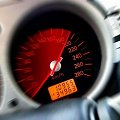
 rwhp calculation
Originally posted by booger
Peter...... could you tell us the way you find out HP . With the Wt. of the car and trap speed ?
Peter...... could you tell us the way you find out HP . With the Wt. of the car and trap speed ?
Personally I have a "Tazzo G meter" that calcualates ~rwhp automatically over either a 0-60 or 1/4mile run. It's a great street tuning tool. It even can masks out shift points which disrupt the calculation.
Banned
Joined: Mar 2004
Posts: 1,289
Likes: 0
From: Australia
Originally posted by booger
Peter...... could you tell us the way you find out HP . With the Wt. of the car and trap speed ?
Peter...... could you tell us the way you find out HP . With the Wt. of the car and trap speed ?
Peter


Here is a link to come calculators, but don't ever quote them to people, they'll just give you Sh|t.
http://www.speedworldmotorplex.com/calc.htm
The ET method
This method uses the weight of the car and the time it took that car to travel 1330 feet (¼ mile).
The formula is: hp = weight / (ET / 5.825)3
The Trap-speed method
This method uses the weight of the car and the speed at which the car completed the quarter-mile run.
The formula is: hp = weight * (speed / 234)3
http://www.speedworldmotorplex.com/calc.htm
The ET method
This method uses the weight of the car and the time it took that car to travel 1330 feet (¼ mile).
The formula is: hp = weight / (ET / 5.825)3
The Trap-speed method
This method uses the weight of the car and the speed at which the car completed the quarter-mile run.
The formula is: hp = weight * (speed / 234)3
Originally posted by gq_626
What is the calculation for that?
What is the calculation for that?