


Latest NA UTEC Tuning


Thread Starter
Registered User
iTrader: (7)
Joined: Aug 2005
Posts: 1,505
Likes: 0
From: Fallston, MD
 Latest NA UTEC Tuning
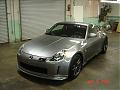
Thanks to Mike and the rest of the AAM crew for tuning my NA Z roadster, for doing a great job and for taking care of my UTEC tune in short order!!!
EDIT:
Tune was on 93 octane
Dyno was Dynojet
5th gear pull
Modifications at the time of UTEC tuning:
1) TurboXS UTEC w/ Tuner Reg. Pro
2) JWT Pop Charger
3) AAM angled spacer
4) AAM polished upper plenum
5) HKS Dual Hi-Power Ti Exhaust
6) AAM 2.5" test pipes
7) AAM ECU reflash
8) ACT clutch w/ 6 puck race disc
9) Fidanza LW flywheel
10) NGK Iridium one step colder plugs
Results
Uncorrected 273.73whp / 259.23 max torque

SAE Corrected 266.40whp / 252.28 max torque

EDIT:
Tune was on 93 octane
Dyno was Dynojet
5th gear pull
Modifications at the time of UTEC tuning:
1) TurboXS UTEC w/ Tuner Reg. Pro
2) JWT Pop Charger
3) AAM angled spacer
4) AAM polished upper plenum
5) HKS Dual Hi-Power Ti Exhaust
6) AAM 2.5" test pipes
7) AAM ECU reflash
8) ACT clutch w/ 6 puck race disc
9) Fidanza LW flywheel
10) NGK Iridium one step colder plugs
Results
Uncorrected 273.73whp / 259.23 max torque
SAE Corrected 266.40whp / 252.28 max torque
Last edited by BobbyRitz; Mar 22, 2006 at 05:06 PM.




Awesome Robert, nice to see you got that straightened out. Im glad you posted actual and SAE numbers-have the A/F? BTW was this pump gas or race gas? Your corrected #'s are now higher than mine were when I ran 13.1 @ 107mph, I expect nothing worse than 13.4 out of your Vert down the 1/4
Edit-BTW I Was up there today around 4pm, was your car being tuned then? I heard something on the dyno....also if you change the smoothing from 5 to 0 on those actual/sae numbers you'd pick up a few more peak for bragging rights
Edit-BTW I Was up there today around 4pm, was your car being tuned then? I heard something on the dyno....also if you change the smoothing from 5 to 0 on those actual/sae numbers you'd pick up a few more peak for bragging rights
Thread Starter
Registered User
iTrader: (7)
Joined: Aug 2005
Posts: 1,505
Likes: 0
From: Fallston, MD
Originally Posted by THE TECH
I'm confused as to why you'd have the reflash AND the UTEC.
Thread Starter
Registered User
iTrader: (7)
Joined: Aug 2005
Posts: 1,505
Likes: 0
From: Fallston, MD
Originally Posted by laswyguy
Nice numbers, +1 on the pretune numbers if available.
Original baseline prior to UTEC tuning was with the following modifications:
AAM polished plenum
AAM plenum spacer
AAM y-pipe
stock cats
AAM 3" single stainless angled exhaust
AAM ECU flash
Injen RD CAI
ACT clutch w/ 6 puck Race Disc
Fidanza flywheel
Baseline numbers were 253whp / 239 max torque
EDIT: Baseline numbers are UNCORRECTED
Hope this helps!
Trending Topics
Thread Starter
Registered User
iTrader: (7)
Joined: Aug 2005
Posts: 1,505
Likes: 0
From: Fallston, MD
Originally Posted by Alberto
Awesome Robert, nice to see you got that straightened out. Im glad you posted actual and SAE numbers-have the A/F? BTW was this pump gas or race gas? Your corrected #'s are now higher than mine were when I ran 13.1 @ 107mph, I expect nothing worse than 13.4 out of your Vert down the 1/4
Edit-BTW I Was up there today around 4pm, was your car being tuned then? I heard something on the dyno....also if you change the smoothing from 5 to 0 on those actual/sae numbers you'd pick up a few more peak for bragging rights
Edit-BTW I Was up there today around 4pm, was your car being tuned then? I heard something on the dyno....also if you change the smoothing from 5 to 0 on those actual/sae numbers you'd pick up a few more peak for bragging rights
That was me. The HKS exhaust sounds much better with my test pipes on.
I got there around 4:15pm. I must have just missed you. A/F on AAM's dynojet was screwed up. Mike used my wideband (tuner reg. pro) to adjust A/F.
EDIT: 93 octane. Yeah, Mike said the same thing about smoothing. It's OK. My numbers are respectable as is for a 287.


Thread Starter
Registered User
iTrader: (7)
Joined: Aug 2005
Posts: 1,505
Likes: 0
From: Fallston, MD
Noah--
I've been dealing with AAM since last summer. You guys are positioned very well. Your products are top notch.
I look for big things in the future for AAM.
I've been dealing with AAM since last summer. You guys are positioned very well. Your products are top notch.
I look for big things in the future for AAM.


Thread Starter
Registered User
iTrader: (7)
Joined: Aug 2005
Posts: 1,505
Likes: 0
From: Fallston, MD
During any custom tune (UTEC, EManage, etc.) increasing timing produces more hp, but it also increases combustion pressures. With the increase of combustion pressures come heat.
To keep the heat down and possible detonation/pre-ignition I decided to step down to a colder plug. And who knows, maybe I will add nitrous.
To keep the heat down and possible detonation/pre-ignition I decided to step down to a colder plug. And who knows, maybe I will add nitrous.


Registered User
Joined: May 2003
Posts: 2,906
Likes: 1
From: jacksonville, FL
Originally Posted by BobbyRitz
During any custom tune (UTEC, EManage, etc.) increasing timing produces more hp, but it also increases combustion pressures. With the increase of combustion pressures come heat.
To keep the heat down and possible detonation/pre-ignition I decided to step down to a colder plug. And who knows, maybe I will add nitrous.
To keep the heat down and possible detonation/pre-ignition I decided to step down to a colder plug. And who knows, maybe I will add nitrous.
wanted to clarify that a bit more for you. some might be fooled when they see their egt's drop from advancing timing.
taken from.
http://www.cpcracing.com/site/256083/page/196309
6. Timing Recommendations After you have a few hours on your engine, power gains can be picked up generally by advancing the timing. We do not recommend checking the timing until after you have broke the engine in. Running the engine at high RPM before the engine is broke in will result in streaking the nikasil cylinders (see break in page 1). We have experienced good power gains by increasing timing 2 to 4 degrees over stock ignition . Increasing the timing can be beneficial on large bore engines due to the fact that you have a large flame front on larger pistons. Increasing ignition timing builds additional heat into your engine. Heat is energy, and energy is horsepower. Additional timing can bring additional horsepower out of your engine, too much timing can add detonation, causing burn downs. Additional timing also means that you need to be using higher octane fuel. Just as higher compression engines require higher octane, increasing your ignition timing also requires using higher octane fuel. Before doing so it is important to have your snowmobile jetted as close as possible. Timing can effect your jetting and effect the readings on your EGT gauges. As ignition timing increases, your EGT gauges will show lower readings. This is due to the fact that the fuel is now burning more completely and also that the heat is being transferred to the piston rather than out the exhaust port. Even though your EGT gauges are showing a lower reading, the fact remains that the fuel mixture will be burning leaner because of additional heat produced by the timing. You now must read piston wash to determine proper jetting and comparing the piston wash to your EGT readings. You now can see that if you are on the ragged edge of jetting, and then advance your timing, the end result will normally end in piston seizure!
Thread Starter
Registered User
iTrader: (7)
Joined: Aug 2005
Posts: 1,505
Likes: 0
From: Fallston, MD
I said nothing of exhaust gas temperatures...read the source you provided and you'll see that it agrees with me.
EDIT: You changed your post. I still don't understand how EGT came into play. As the topic of this thread indicates, I'm NA, so I don't monitor my EGTs.
6. Timing Recommendations After you have a few hours on your engine, power gains can be picked up generally by advancing the timing. We do not recommend checking the timing until after you have broke the engine in. Running the engine at high RPM before the engine is broke in will result in streaking the nikasil cylinders (see break in page 1). We have experienced good power gains by increasing timing 2 to 4 degrees over stock ignition . Increasing the timing can be beneficial on large bore engines due to the fact that you have a large flame front on larger pistons. Increasing ignition timing builds additional heat into your engine. Heat is energy, and energy is horsepower. Additional timing can bring additional horsepower out of your engine, too much timing can add detonation, causing burn downs. Additional timing also means that you need to be using higher octane fuel. Just as higher compression engines require higher octane, increasing your ignition timing also requires using higher octane fuel. Before doing so it is important to have your snowmobile jetted as close as possible. Timing can effect your jetting and effect the readings on your EGT gauges. As ignition timing increases, your EGT gauges will show lower readings. This is due to the fact that the fuel is now burning more completely and also that the heat is being transferred to the piston rather than out the exhaust port. Even though your EGT gauges are showing a lower reading, the fact remains that the fuel mixture will be burning leaner because of additional heat produced by the timing. You now must read piston wash to determine proper jetting and comparing the piston wash to your EGT readings. You now can see that if you are on the ragged edge of jetting, and then advance your timing, the end result will normally end in piston seizure!
EDIT: You changed your post. I still don't understand how EGT came into play. As the topic of this thread indicates, I'm NA, so I don't monitor my EGTs.
6. Timing Recommendations After you have a few hours on your engine, power gains can be picked up generally by advancing the timing. We do not recommend checking the timing until after you have broke the engine in. Running the engine at high RPM before the engine is broke in will result in streaking the nikasil cylinders (see break in page 1). We have experienced good power gains by increasing timing 2 to 4 degrees over stock ignition . Increasing the timing can be beneficial on large bore engines due to the fact that you have a large flame front on larger pistons. Increasing ignition timing builds additional heat into your engine. Heat is energy, and energy is horsepower. Additional timing can bring additional horsepower out of your engine, too much timing can add detonation, causing burn downs. Additional timing also means that you need to be using higher octane fuel. Just as higher compression engines require higher octane, increasing your ignition timing also requires using higher octane fuel. Before doing so it is important to have your snowmobile jetted as close as possible. Timing can effect your jetting and effect the readings on your EGT gauges. As ignition timing increases, your EGT gauges will show lower readings. This is due to the fact that the fuel is now burning more completely and also that the heat is being transferred to the piston rather than out the exhaust port. Even though your EGT gauges are showing a lower reading, the fact remains that the fuel mixture will be burning leaner because of additional heat produced by the timing. You now must read piston wash to determine proper jetting and comparing the piston wash to your EGT readings. You now can see that if you are on the ragged edge of jetting, and then advance your timing, the end result will normally end in piston seizure!
Last edited by BobbyRitz; Mar 24, 2006 at 12:04 PM.