


Bleeding Problem , Pwease Help (In Progress)


Thread Starter
Registered User
Joined: Nov 2004
Posts: 107
Likes: 0
From: Verona, NY
 Bleeding Problem , Pwease Help (In Progress)
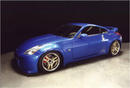
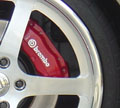
I am trying to bleed thee "NON BREMBO" brakes on my 04 Touring 18" 6spd 350Z.
I bled them Twice around so far in this order Left Rear, Right Front, Right Rear, Left Front. With the key off. When I went to try them out in the driveway they pumped up nicely but 3 seconds later they will go right to the floor and wont stop the vehicle!
What am I doing wrong. What is the procedure here?
I bled them Twice around so far in this order Left Rear, Right Front, Right Rear, Left Front. With the key off. When I went to try them out in the driveway they pumped up nicely but 3 seconds later they will go right to the floor and wont stop the vehicle!
What am I doing wrong. What is the procedure here?


Thread Starter
Registered User
Joined: Nov 2004
Posts: 107
Likes: 0
From: Verona, NY
Originally Posted by westpak
Did you let the reservoir go dry during the process? If so there is probably air in the master cylinder.
 From Zeckhausen article
1.
Block a front wheel with a piece of wood to prevent the car from rolling. Raise the back of the car with a floor jack and then lower it onto a pair of jackstands.
2.
Remove the rear wheels.
3.
Open the hood and remove as much old brake fluid from the reservoir as possible, using a suction tool or a turkey baster. Be careful not to spill any fluid, as it will dissolve the paint on your car.
4.
Fill the brake reservoir to the top with fresh fluid.
5.
Place a box end wrench over the bleed screw on the right rear caliper. Push a clear plastic tube over the nipple on the bleed screw and place the opposite end into a bottle. Alternatively, you can buy a catch bottle with a cover that prevents fluid from spilling if it tips over, a 1-way check valve in the cap, and a rubber fitting on the caliper end of the plastic line that snaps in place over a wide range of bleed screw nipple sizes.
6.
Tell your assistant to pump the brake pedal a few times until it becomes firm. This is especially important if you have just replaced pads. If you've installed new stainless braided brake lines or installed a big brake kit, there may be enough air in the system that the brake pedal will not get firm. That's OK. Just move on to the next step.
7.
Tap the caliper a few times with a rubber mallet. This helps to release air bubbles that may be clinging to inside surfaces of the caliper.
8.
Have your assistant PUSH hard on the brake pedal and HOLD. Then quickly, crack open the bleed screw about 1/4 turn. Fluid (and probably a few air bubbles) will flow through the plastic tube and into the catch bottle. A light placed behind the tube will make it easier to see what is coming out of the caliper.
9.
Close the bleed screw just before the brake pedal reaches the floor. Don't worry if the timing is off at first. You will quickly figure it out with feedback from your assistant.
10.
Tell your assistant to RELEASE.
11.
After a brief moment, repeat steps 8 - 10. Do this about 6 times and then go to the front of the car to make sure the fluid level has not dropped too far. You MUST not allow the fluid level to fall to the point where you are sucking air through the master cylinder.
12.
Top off the brake fluid level and continue for a total of about 10 pumps or until you no longer see any air bubbles coming out of the caliper.
13.
Repeat the process for the other rear caliper.
14.
Make sure both calipers are wiped clean of brake fluid and that none has spilled on the rotors or pads. Use brake cleaning spray if necessary. Reinstall the rear wheels and torque to factory specification, then lower car to the ground.
15.
Now apply the parking brake, put the car in gear (or PARK) and raise the front of the car with your floor jack. Lower it onto a pair of jackstands.
16.
Remove the front wheels.
17.
Follow the exact same technique as with the rear wheels, starting with the passenger side caliper. The fluid will flow more rapidly out of the front calipers, so you will need to check the level in the brake fluid reservoir more frequently to avoid letting it drop too low.
18.
Reinstall and torque the front wheels, then lower the car to the ground.
19.
Top off the brake fluid reservoir and replace the cap.
Block a front wheel with a piece of wood to prevent the car from rolling. Raise the back of the car with a floor jack and then lower it onto a pair of jackstands.
2.
Remove the rear wheels.
3.
Open the hood and remove as much old brake fluid from the reservoir as possible, using a suction tool or a turkey baster. Be careful not to spill any fluid, as it will dissolve the paint on your car.
4.
Fill the brake reservoir to the top with fresh fluid.
5.
Place a box end wrench over the bleed screw on the right rear caliper. Push a clear plastic tube over the nipple on the bleed screw and place the opposite end into a bottle. Alternatively, you can buy a catch bottle with a cover that prevents fluid from spilling if it tips over, a 1-way check valve in the cap, and a rubber fitting on the caliper end of the plastic line that snaps in place over a wide range of bleed screw nipple sizes.
6.
Tell your assistant to pump the brake pedal a few times until it becomes firm. This is especially important if you have just replaced pads. If you've installed new stainless braided brake lines or installed a big brake kit, there may be enough air in the system that the brake pedal will not get firm. That's OK. Just move on to the next step.
7.
Tap the caliper a few times with a rubber mallet. This helps to release air bubbles that may be clinging to inside surfaces of the caliper.
8.
Have your assistant PUSH hard on the brake pedal and HOLD. Then quickly, crack open the bleed screw about 1/4 turn. Fluid (and probably a few air bubbles) will flow through the plastic tube and into the catch bottle. A light placed behind the tube will make it easier to see what is coming out of the caliper.
9.
Close the bleed screw just before the brake pedal reaches the floor. Don't worry if the timing is off at first. You will quickly figure it out with feedback from your assistant.
10.
Tell your assistant to RELEASE.
11.
After a brief moment, repeat steps 8 - 10. Do this about 6 times and then go to the front of the car to make sure the fluid level has not dropped too far. You MUST not allow the fluid level to fall to the point where you are sucking air through the master cylinder.
12.
Top off the brake fluid level and continue for a total of about 10 pumps or until you no longer see any air bubbles coming out of the caliper.
13.
Repeat the process for the other rear caliper.
14.
Make sure both calipers are wiped clean of brake fluid and that none has spilled on the rotors or pads. Use brake cleaning spray if necessary. Reinstall the rear wheels and torque to factory specification, then lower car to the ground.
15.
Now apply the parking brake, put the car in gear (or PARK) and raise the front of the car with your floor jack. Lower it onto a pair of jackstands.
16.
Remove the front wheels.
17.
Follow the exact same technique as with the rear wheels, starting with the passenger side caliper. The fluid will flow more rapidly out of the front calipers, so you will need to check the level in the brake fluid reservoir more frequently to avoid letting it drop too low.
18.
Reinstall and torque the front wheels, then lower the car to the ground.
19.
Top off the brake fluid reservoir and replace the cap.
Thread Starter
Registered User
Joined: Nov 2004
Posts: 107
Likes: 0
From: Verona, NY
Originally Posted by zman2
1.
Block a front wheel with a piece of wood to prevent the car from rolling. Raise the back of the car with a floor jack and then lower it onto a pair of jackstands.
2.
Remove the rear wheels.
3.
Open the hood and remove as much old brake fluid from the reservoir as possible, using a suction tool or a turkey baster. Be careful not to spill any fluid, as it will dissolve the paint on your car.
4.
Fill the brake reservoir to the top with fresh fluid.
5.
Place a box end wrench over the bleed screw on the right rear caliper. Push a clear plastic tube over the nipple on the bleed screw and place the opposite end into a bottle. Alternatively, you can buy a catch bottle with a cover that prevents fluid from spilling if it tips over, a 1-way check valve in the cap, and a rubber fitting on the caliper end of the plastic line that snaps in place over a wide range of bleed screw nipple sizes.
6.
Tell your assistant to pump the brake pedal a few times until it becomes firm. This is especially important if you have just replaced pads. If you've installed new stainless braided brake lines or installed a big brake kit, there may be enough air in the system that the brake pedal will not get firm. That's OK. Just move on to the next step.
7.
Tap the caliper a few times with a rubber mallet. This helps to release air bubbles that may be clinging to inside surfaces of the caliper.
8.
Have your assistant PUSH hard on the brake pedal and HOLD. Then quickly, crack open the bleed screw about 1/4 turn. Fluid (and probably a few air bubbles) will flow through the plastic tube and into the catch bottle. A light placed behind the tube will make it easier to see what is coming out of the caliper.
9.
Close the bleed screw just before the brake pedal reaches the floor. Don't worry if the timing is off at first. You will quickly figure it out with feedback from your assistant.
10.
Tell your assistant to RELEASE.
11.
After a brief moment, repeat steps 8 - 10. Do this about 6 times and then go to the front of the car to make sure the fluid level has not dropped too far. You MUST not allow the fluid level to fall to the point where you are sucking air through the master cylinder.
12.
Top off the brake fluid level and continue for a total of about 10 pumps or until you no longer see any air bubbles coming out of the caliper.
13.
Repeat the process for the other rear caliper.
14.
Make sure both calipers are wiped clean of brake fluid and that none has spilled on the rotors or pads. Use brake cleaning spray if necessary. Reinstall the rear wheels and torque to factory specification, then lower car to the ground.
15.
Now apply the parking brake, put the car in gear (or PARK) and raise the front of the car with your floor jack. Lower it onto a pair of jackstands.
16.
Remove the front wheels.
17.
Follow the exact same technique as with the rear wheels, starting with the passenger side caliper. The fluid will flow more rapidly out of the front calipers, so you will need to check the level in the brake fluid reservoir more frequently to avoid letting it drop too low.
18.
Reinstall and torque the front wheels, then lower the car to the ground.
19.
Top off the brake fluid reservoir and replace the cap.
Block a front wheel with a piece of wood to prevent the car from rolling. Raise the back of the car with a floor jack and then lower it onto a pair of jackstands.
2.
Remove the rear wheels.
3.
Open the hood and remove as much old brake fluid from the reservoir as possible, using a suction tool or a turkey baster. Be careful not to spill any fluid, as it will dissolve the paint on your car.
4.
Fill the brake reservoir to the top with fresh fluid.
5.
Place a box end wrench over the bleed screw on the right rear caliper. Push a clear plastic tube over the nipple on the bleed screw and place the opposite end into a bottle. Alternatively, you can buy a catch bottle with a cover that prevents fluid from spilling if it tips over, a 1-way check valve in the cap, and a rubber fitting on the caliper end of the plastic line that snaps in place over a wide range of bleed screw nipple sizes.
6.
Tell your assistant to pump the brake pedal a few times until it becomes firm. This is especially important if you have just replaced pads. If you've installed new stainless braided brake lines or installed a big brake kit, there may be enough air in the system that the brake pedal will not get firm. That's OK. Just move on to the next step.
7.
Tap the caliper a few times with a rubber mallet. This helps to release air bubbles that may be clinging to inside surfaces of the caliper.
8.
Have your assistant PUSH hard on the brake pedal and HOLD. Then quickly, crack open the bleed screw about 1/4 turn. Fluid (and probably a few air bubbles) will flow through the plastic tube and into the catch bottle. A light placed behind the tube will make it easier to see what is coming out of the caliper.
9.
Close the bleed screw just before the brake pedal reaches the floor. Don't worry if the timing is off at first. You will quickly figure it out with feedback from your assistant.
10.
Tell your assistant to RELEASE.
11.
After a brief moment, repeat steps 8 - 10. Do this about 6 times and then go to the front of the car to make sure the fluid level has not dropped too far. You MUST not allow the fluid level to fall to the point where you are sucking air through the master cylinder.
12.
Top off the brake fluid level and continue for a total of about 10 pumps or until you no longer see any air bubbles coming out of the caliper.
13.
Repeat the process for the other rear caliper.
14.
Make sure both calipers are wiped clean of brake fluid and that none has spilled on the rotors or pads. Use brake cleaning spray if necessary. Reinstall the rear wheels and torque to factory specification, then lower car to the ground.
15.
Now apply the parking brake, put the car in gear (or PARK) and raise the front of the car with your floor jack. Lower it onto a pair of jackstands.
16.
Remove the front wheels.
17.
Follow the exact same technique as with the rear wheels, starting with the passenger side caliper. The fluid will flow more rapidly out of the front calipers, so you will need to check the level in the brake fluid reservoir more frequently to avoid letting it drop too low.
18.
Reinstall and torque the front wheels, then lower the car to the ground.
19.
Top off the brake fluid reservoir and replace the cap.
 I just cant get any pedal .

Registered User
Joined: May 2004
Posts: 112
Likes: 0
From: Georgia
Huck,
What led you to want to bleed your brakes? This may provide a clue to the problem.
Couple more suggestions. (Pardon me if you already know this stuff.)
1. When you open the bleeder valve, the fluid will initiall flow out quickly and start slowing down. Close the valve before the fluid stops flowing.
2. Remember, brake fluid is cheap. The procedure I use is to continue bleeding the caliper until I see clean fluid come out. (Keep checking reservoir) This does two things...helps ensure I get any air that is caught midway down a line, and also replaces the old fluid with new fluid throughout the system.
3. Before starting the process, turn music OFF. No interruptions. Take this job very serious.
What led you to want to bleed your brakes? This may provide a clue to the problem.
Couple more suggestions. (Pardon me if you already know this stuff.)
1. When you open the bleeder valve, the fluid will initiall flow out quickly and start slowing down. Close the valve before the fluid stops flowing.
2. Remember, brake fluid is cheap. The procedure I use is to continue bleeding the caliper until I see clean fluid come out. (Keep checking reservoir) This does two things...helps ensure I get any air that is caught midway down a line, and also replaces the old fluid with new fluid throughout the system.
3. Before starting the process, turn music OFF. No interruptions. Take this job very serious.
Trending Topics
Thread Starter
Registered User
Joined: Nov 2004
Posts: 107
Likes: 0
From: Verona, NY
I hear what your saying completely and understand it. I bled the brakes all 4 many times till i got the new fluid that i put in. My brakes were completely torn down calipers and all. To be cleaned and painted. They were off for 2 days. I have no pedal unless i pump it good, but after i let off and dont pump anymore it will go right to the floor with no stopping power whatsoever. I am wondering if their is some trick i need to know or what about this car. I never had trouble like this and this should have been simple. Bleeders only on the calipers, huh, got me good this one 
Registered User
Joined: May 2004
Posts: 112
Likes: 0
From: Georgia
Huck,
I think you have air trapped in your caliper piston bores. It's not much, but then it does not take much.
The bleed valve port opens onto the top of the piston bore, as is should. The piston bores are exactly horizontal, as they must be. I assume you have the car supported level. There could still be trapped air due to either inadequate fluid turbulence during the bleeding process, or because of any small variation on the piston.
My suggestion: One wheel at a time, does not matter what order. Do the following steps.
1. Unbolt the caliper. Do NOT loosen the brake hose.
Notice that brake hose enters the caliper at the center of the piston bore.
Have someone in the car ready to push pedal.
2. Carefully slide caliper away from brake support without tilting it. Place a block of wood (or something that is about same width as rotors) in between the calipers to keep from blowing pistons out.
3. Push pedal down. Have your wrench on the bleed valve.
4. Tilt the caliper a little so the air bubble will roll to the inside top corner of the piston bore where the bleed port intersects.
5. Open bleed valve. Close it before the fluid stops flowing. Do this a few times.
If this does not solve the problem after doing it to all four corners, I don't know. Good luck.
I think you have air trapped in your caliper piston bores. It's not much, but then it does not take much.
The bleed valve port opens onto the top of the piston bore, as is should. The piston bores are exactly horizontal, as they must be. I assume you have the car supported level. There could still be trapped air due to either inadequate fluid turbulence during the bleeding process, or because of any small variation on the piston.
My suggestion: One wheel at a time, does not matter what order. Do the following steps.
1. Unbolt the caliper. Do NOT loosen the brake hose.
Notice that brake hose enters the caliper at the center of the piston bore.
Have someone in the car ready to push pedal.
2. Carefully slide caliper away from brake support without tilting it. Place a block of wood (or something that is about same width as rotors) in between the calipers to keep from blowing pistons out.
3. Push pedal down. Have your wrench on the bleed valve.
4. Tilt the caliper a little so the air bubble will roll to the inside top corner of the piston bore where the bleed port intersects.
5. Open bleed valve. Close it before the fluid stops flowing. Do this a few times.
If this does not solve the problem after doing it to all four corners, I don't know. Good luck.
Thread Starter
Registered User
Joined: Nov 2004
Posts: 107
Likes: 0
From: Verona, NY
Originally Posted by 2003z
stupid question, but are all your bleed valves facing up? Perhaps you put the brakes on the wrong side, with the bleeders facing down?
Registered User
Joined: May 2004
Posts: 112
Likes: 0
From: Georgia
The bleeder fitting point forward but the hole that they screw into will intersect the piston bore at the inside top corner of the piston bore. Calipers are installed correctly.
I guess you have the car supported with the wheels off. Standing in front of the front rotors, the rotors are probably not sitting straight vertical...meaning the top of the rotors are a little further outboard than the bottom of the rotors. Is this correct?
I guess you have the car supported with the wheels off. Standing in front of the front rotors, the rotors are probably not sitting straight vertical...meaning the top of the rotors are a little further outboard than the bottom of the rotors. Is this correct?
Thread Starter
Registered User
Joined: Nov 2004
Posts: 107
Likes: 0
From: Verona, NY
Bwilliams, air bubble in the calipers, I really hope so cause if not i dont know what the heck is going on. Waiting for my next assistant to arrive then going to hope for an airbubble i guess.  ----------Bubble
then going to hope for an airbubble i guess. ----------Bubble
Thread Starter
Registered User
Joined: Nov 2004
Posts: 107
Likes: 0
From: Verona, NY
Originally Posted by bwilliams
Huck,
I think you have air trapped in your caliper piston bores. It's not much, but then it does not take much.
The bleed valve port opens onto the top of the piston bore, as is should. The piston bores are exactly horizontal, as they must be. I assume you have the car supported level. There could still be trapped air due to either inadequate fluid turbulence during the bleeding process, or because of any small variation on the piston.
I think you have air trapped in your caliper piston bores. It's not much, but then it does not take much.
The bleed valve port opens onto the top of the piston bore, as is should. The piston bores are exactly horizontal, as they must be. I assume you have the car supported level. There could still be trapped air due to either inadequate fluid turbulence during the bleeding process, or because of any small variation on the piston.
 at a time, removed and moved till air pocket came out. W00t I have brakes again. Thanks bwilliams !!

Thread
Thread Starter
Forum
Replies
Last Post
Lt_Ballzacki
Brakes & Suspension
39
Aug 6, 2021 06:19 AM
