


pearl blue





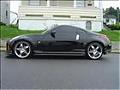


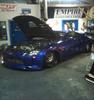

the pearl in the daytona blue is blue pearl. that gives it the glowing blue appearance when in the sun. but every pearl has a flop color which is the secondary color in the pearl. for blue pearl the flop color is purple, so hence the reason you will see some blue purple highlights on the car.
you can get pearl in most any color, and a certain color of pearl can turn different colors depending on what color you are applying it over. darker base colors help show the pearl effect more while lighter ones tend to hide it. pearl is small mica chips, and the thickness of them will determine the color. if you are thinking of doing pearl, best to do a paint sample first, cause you can get weird colors. i put purple pearl over yellow once and the sample turned pink, hahaha.
you can get pearl in most any color, and a certain color of pearl can turn different colors depending on what color you are applying it over. darker base colors help show the pearl effect more while lighter ones tend to hide it. pearl is small mica chips, and the thickness of them will determine the color. if you are thinking of doing pearl, best to do a paint sample first, cause you can get weird colors. i put purple pearl over yellow once and the sample turned pink, hahaha.
Trending Topics

Registered User
Joined: Jan 2005
Posts: 755
Likes: 0
From: Bremerton, WA
Originally Posted by overZealous1
the pearl in the daytona blue is blue pearl. that gives it the glowing blue appearance when in the sun. but every pearl has a flop color which is the secondary color in the pearl. for blue pearl the flop color is purple, so hence the reason you will see some blue purple highlights on the car.
you can get pearl in most any color, and a certain color of pearl can turn different colors depending on what color you are applying it over. darker base colors help show the pearl effect more while lighter ones tend to hide it. pearl is small mica chips, and the thickness of them will determine the color. if you are thinking of doing pearl, best to do a paint sample first, cause you can get weird colors. i put purple pearl over yellow once and the sample turned pink, hahaha.
you can get pearl in most any color, and a certain color of pearl can turn different colors depending on what color you are applying it over. darker base colors help show the pearl effect more while lighter ones tend to hide it. pearl is small mica chips, and the thickness of them will determine the color. if you are thinking of doing pearl, best to do a paint sample first, cause you can get weird colors. i put purple pearl over yellow once and the sample turned pink, hahaha.
Originally Posted by CAN0802
The thickness will determine the color of the pearl? Where'd that come from? Actually, it isn't the thickness, or mica for that matter, it is simply colored plastic that makes up pearl colors now.


Registered User
Joined: Jan 2005
Posts: 755
Likes: 0
From: Bremerton, WA
Originally Posted by overZealous1
hmmm, got that straight from my local ppg auto paint wholesaler.


Registered User
Joined: May 2003
Posts: 183
Likes: 0
From: Seattle
Originally Posted by CAN0802
Pearls used to be made with real mother of pearl, but not anymore. The advances in plastic have made many different things possible in the paint market. The Discovery Channel rocks.
Registered User
Joined: Jan 2005
Posts: 755
Likes: 0
From: Bremerton, WA
Originally Posted by kbiz
I think he's referring to Tri-Coats... the middle layer can affect the pearlescent affects... and the color depending on what the second stage of paint is. If the second stage is a transparent blue, then the thicker the coat, the more blue the overall paint job will look. This is why the Pikes Peak is difficult to color match... the second of three layers is what is so difficult because it's not just about mixing the paint properly... it's about laying down the proper thickness.
BTW, nice screamin chicken on your avatar.

Registered User
Joined: May 2003
Posts: 183
Likes: 0
From: Seattle
Originally Posted by CAN0802
That's possible, and he'd be right on that if so.
BTW, nice screamin chicken on your avatar.
BTW, nice screamin chicken on your avatar.


Last edited by kbiz; Dec 4, 2005 at 11:35 AM.
Originally Posted by CAN0802
Pearls used to be made with real mother of pearl, but not anymore. The advances in plastic have made many different things possible in the paint market. The Discovery Channel rocks.
the Z paint is not a tri coat, the pearl is mixed right in with the base color. i know, i have already sprayed some and had the mix done. tri coats are super rare from the factory and left for very expensive cars. the older chameleon cobras were tri coat though. as would any chameleon paint job, or candy. pearl can be alot more effective when done as a tri stage, but it is super easy to spray on to much and will be as complicated to spray as a candy paint job.
Registered User
Joined: Jan 2005
Posts: 755
Likes: 0
From: Bremerton, WA
Sorry, I still don't see the thickness of the mica, mother of pearl, or otherwise affecting the color of a pearl, and am more prone to believe that those flecks are a colored plastic. One would have to imagine the difficulty at shaving mica or mother of pearl to a certain thickness to attempt a desired color, which I have a hard time realising on a large scale such as for making paint.
ok, after doing a search, i didn't find anything that says the thickness determines the color. i did find though that in some cases metal can be used and thermal treating it will change the colors. i did see though that some of the mica is pigmented. but here is the magic question, why does pearl always have a primary color then a flop or secondary color. it would have to be transparent as the pearl will lay in every direction when you lay it down. i'm guessing it gives one color off when the light directly hits it, then the secondary color comes from the light passing through it and then reflecting off the base color and coming back through it. i'm guessing it is the reason pearls will change color also depending on what base color it is mixed with or layed over.
i feel i know more about pearl than i ever needed to now, lol. fortuneatly, the manufacturers have figured out how to manufacture it so we can use it!!
i feel i know more about pearl than i ever needed to now, lol. fortuneatly, the manufacturers have figured out how to manufacture it so we can use it!!
but all pearls are mica, lol. i'm guessing the metal is just used for a specific color or 2 or just as an additive for a certain color of pearl. looks like we might need a ppg rep. to get this info 100% correct about the mica thickness thing, but that is what i heard from my local auto paint supplier who deals with ppg and house of colors, both offering a dry powder pearl additive. you can do wicked stuff with the powders and mix it with clear as strong as you like and do an entire paint job with nothing but pearl to create the base color, then clear it. pretty cool for graphics and stuff.
Registered User
Joined: Jan 2005
Posts: 755
Likes: 0
From: Bremerton, WA
It is that dry mix that gives the pearl its sheen so to say. I am going to have to dig around and see what I can find, but when I was helping a friend in Japan paint his 300ZX, we got into a whole discussion on what the pearl additive was, and found out it was tinted plastic.
I looked on here and found that it is used in paint, but it mentions nothing about coloring the paint, but more or less acts as a shrink retardant.
Looking here, they state it adds sparkle to paints, which could be interpreted to mean a pearly glow, as it is close to a sparkle.
Reading here though, it would seem to agree with what you originally said. The thickness you referred to is the thickness of the coating on the mica flakes that determines the color of the pearl. Having said that, I am now more inclined to believe your version than what I have seen on TV and heard in Japan. I guess you learn something new everyday.
I looked on here and found that it is used in paint, but it mentions nothing about coloring the paint, but more or less acts as a shrink retardant.
Looking here, they state it adds sparkle to paints, which could be interpreted to mean a pearly glow, as it is close to a sparkle.
Reading here though, it would seem to agree with what you originally said. The thickness you referred to is the thickness of the coating on the mica flakes that determines the color of the pearl. Having said that, I am now more inclined to believe your version than what I have seen on TV and heard in Japan. I guess you learn something new everyday.