


Changing Brembo Pads


 Changing Brembo Pads
How do I push the Brembo brake pistons in with the caliper on the car when installing new brake pads. The Nissan service manual specifies the use of a disc brake piston tool. 
How do I do it.
Also do I bleed both screws on each caliper? In a particular order?
JET
How do I do it.
Also do I bleed both screws on each caliper? In a particular order?
JET
Last edited by JETPILOT; Apr 10, 2008 at 03:04 AM.



350Z-holic

Joined: Aug 2002
Posts: 14,502
Likes: 22
From: NC
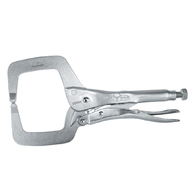
I have found the inexpensive brake compression tools (like $5) very useful. Just undo one of the caliper clamp bolts, swing the caliper up, remove the pads from the braket. Then take one of the old pads, place it against the caliper and use the tool to depress the piston. You can change all the pads in about 30 minutes this way.
Be sure to bleed the lines afterwards. I prefer to change all the pads first, reset the MC, then bleed from the passenger rear up.
Be sure to bleed the lines afterwards. I prefer to change all the pads first, reset the MC, then bleed from the passenger rear up.


I just remove the brake fluid cap to release pressure, and then I either use old pads to compress them or my fingers. Never had any problems and can do it in 15 minutes with the car 4 pointed.
Last edited by Axelerate; Apr 10, 2008 at 07:49 AM.
Trending Topics
Originally Posted by mhoward1
Be sure to bleed the lines afterwards. I prefer to change all the pads first, reset the MC, then bleed from the passenger rear up.
I bleed LR, RF, RR, LF and do the outers first.

I changed my brembo pads in 30 minutes flat. pull the cap off and take a pair of flat mouthed crecent wrech squize down the piston and put the cap back on the pressure should hold it down in the system.
I did that 4 times and Not a big deal at all. Our pads are super easy to change. Its designed to be a quick system so you can actually track the car.
I did that 4 times and Not a big deal at all. Our pads are super easy to change. Its designed to be a quick system so you can actually track the car.
If you have some cash burning a hole in your pocket get this.
http://www.zeckhausen.com/Tools/cali...n_spreader.htm

My buddy has one of these and it works great!
http://www.zeckhausen.com/Tools/cali...n_spreader.htm
My buddy has one of these and it works great!
Originally Posted by MI 35th
You guys pull the caliper off are you serious?
I can change pads in 5 min each brake with the caliper on?
Crazy...
I can change pads in 5 min each brake with the caliper on?
Crazy...
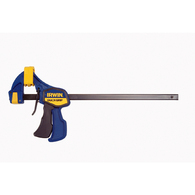
With the quickness, its a two man operation. one man on the resovoir cap. use clamp to compress with cap open, and then close it to presurize, slide pad in.
Next side is tricky, its a shimmy in with same procedure.
Do that 8 times and you are done.
Next side is tricky, its a shimmy in with same procedure.
Do that 8 times and you are done.

i use the piston spread from snap-on. not too expensive, but very effective.
if you are just changing pads, you don't need to bleed the brakes. i may have missed something, but i'm not sure why everyone is telling you to bleed it. but, when/if you do bleed your system, always start with the OUTSIDE bleeder first. the concept is bleed what is furthest from the master cylinder (kind of like an "outside-in" mentality).
here is the bleeding order: rt rear -> lft front -> lft rear -> rt front (this bleeding order is from the FSM).
i don't even see how you would use a c-clamp over the 4-piston brembo caliper...dave may know something i don't. you definitely don't need to remove the caliper to change pads.
if you are just changing pads, you don't need to bleed the brakes. i may have missed something, but i'm not sure why everyone is telling you to bleed it. but, when/if you do bleed your system, always start with the OUTSIDE bleeder first. the concept is bleed what is furthest from the master cylinder (kind of like an "outside-in" mentality).
here is the bleeding order: rt rear -> lft front -> lft rear -> rt front (this bleeding order is from the FSM).
i don't even see how you would use a c-clamp over the 4-piston brembo caliper...dave may know something i don't. you definitely don't need to remove the caliper to change pads.
Last edited by n1cK!; Apr 10, 2008 at 07:28 PM.
?!?! 
Tools to push the pistons back in the caliper ? Who needs that ?
Just open on of the bleed valve (install your bleed tube) and "twist" the rotor against the pads. This will loosen the pads enough for removal.
Then it's just a matter of using an old pad or simply your thumbs to push the pistons back. With the bleed valve open, they won't offer much resistance.
Do not push the pistons back in without opening the bleed valves. A fluid reservoir overflow is the least of your problem. Think contaminated fluid being pushed back into the ABS module... Not good.
Tools to push the pistons back in the caliper ? Who needs that ?
Just open on of the bleed valve (install your bleed tube) and "twist" the rotor against the pads. This will loosen the pads enough for removal.
Then it's just a matter of using an old pad or simply your thumbs to push the pistons back. With the bleed valve open, they won't offer much resistance.
Do not push the pistons back in without opening the bleed valves. A fluid reservoir overflow is the least of your problem. Think contaminated fluid being pushed back into the ABS module... Not good.

Registered User
Joined: Sep 2007
Posts: 286
Likes: 0
From: DC Metro
Originally Posted by Kolia
?!?!
Tools to push the pistons back in the caliper ? Who needs that ?
Just open on of the bleed valve (install your bleed tube) and "twist" the rotor against the pads. This will loosen the pads enough for removal.
Then it's just a matter of using an old pad or simply your thumbs to push the pistons back. With the bleed valve open, they won't offer much resistance.
Do not push the pistons back in without opening the bleed valves. A fluid reservoir overflow is the least of your problem. Think contaminated fluid being pushed back into the ABS module... Not good.
Tools to push the pistons back in the caliper ? Who needs that ?
Just open on of the bleed valve (install your bleed tube) and "twist" the rotor against the pads. This will loosen the pads enough for removal.
Then it's just a matter of using an old pad or simply your thumbs to push the pistons back. With the bleed valve open, they won't offer much resistance.
Do not push the pistons back in without opening the bleed valves. A fluid reservoir overflow is the least of your problem. Think contaminated fluid being pushed back into the ABS module... Not good.