


FAQ: Official wheel "SPACER" thread!


One thing I take issue with, and it's as much with the "name brand" spacers as it is with the "ebay" brands, is that everyone talks about "super high strength aircraft-grade T6061 Aluminum alloy blah blah blah" and nobody seems to talk about the grade (i.e. strength) of the pressed-in studs that ultimately hold the wheel onto the spacer in those high-lateral-force maneuvers. I would personally be more worried about whether the studs will fail in tension (or in torsion when tightening the lug nuts) than I would be about a flat aluminum plate cracking or bursting centrifugally.


Just installed a set of adapter-type 15mm spacers tonight. I know that as a general rule, lug nuts should be re-torqued after driving 30 miles or so in case they have lost some torque (thermal, vibration, etc). So the question is: do the lug nuts that hole the spacer to the hub also require re-torquing? Seems like they would....but that's a pain in the *****, because you have to remove the wheel, torque the nuts, replace the wheel, torque the wheel lugs, then in another 30 miles re-torque the wheel lugs.
Any thoughts?
Any thoughts?
Just installed a set of adapter-type 15mm spacers tonight. I know that as a general rule, lug nuts should be re-torqued after driving 30 miles or so in case they have lost some torque (thermal, vibration, etc). So the question is: do the lug nuts that hole the spacer to the hub also require re-torquing? Seems like they would....but that's a pain in the *****, because you have to remove the wheel, torque the nuts, replace the wheel, torque the wheel lugs, then in another 30 miles re-torque the wheel lugs.
Any thoughts?
Any thoughts?



Just installed a set of adapter-type 15mm spacers tonight. I know that as a general rule, lug nuts should be re-torqued after driving 30 miles or so in case they have lost some torque (thermal, vibration, etc). So the question is: do the lug nuts that hole the spacer to the hub also require re-torquing? Seems like they would....but that's a pain in the *****, because you have to remove the wheel, torque the nuts, replace the wheel, torque the wheel lugs, then in another 30 miles re-torque the wheel lugs.
Any thoughts?
Any thoughts?
Sorry, not trying to get defensive here, but my question was regarding lug nut seating torque and not whether my solution is the ideal one.
EDIT: I realize this was a standard terrasmak response. But there are enough people out there running adapter-type spacers, and I haven't found one person saying that they went back and checked torque on the spacer lug nuts. Therefore I think it's a valid discussion to have. What good is it checking the torque on the nuts holding your wheel to the spacer, if the nuts holding the spacer to the hub are about to fall off?
Last edited by sry110; Apr 25, 2012 at 08:45 AM.

^ Not real sure what your question is....you pretty much answered it in your original post on the subject. The process you listed is exactly what I did after installing mine, and yes, it is a pain in the ***** but given the situation I thought is was the best option (better safe than sorry).
And just for reference everything was still fully torqued after checking them so not sure if it's completely necessary but it did give me some peace of mind.
And just for reference everything was still fully torqued after checking them so not sure if it's completely necessary but it did give me some peace of mind.
^ Not real sure what your question is....you pretty much answered it in your original post on the subject. The process you listed is exactly what I did after installing mine, and yes, it is a pain in the ***** but given the situation I thought is was the best option (better safe than sorry).
And just for reference everything was still fully torqued after checking them so not sure if it's completely necessary but it did give me some peace of mind.
And just for reference everything was still fully torqued after checking them so not sure if it's completely necessary but it did give me some peace of mind.
I did give them a little extra nudge past 84 lb-ft just to be "sure", but I'm thinking this weekend I'll pop the wheels off and check it anyway.
[Side note: I knew the correct procedure was to pop off the wheels and check torque on the spacer hardware, but in all my searching I never saw anyone on my350z talk about it. I figured it was a worthwhile topic to put down in writing for everyone's edification.]


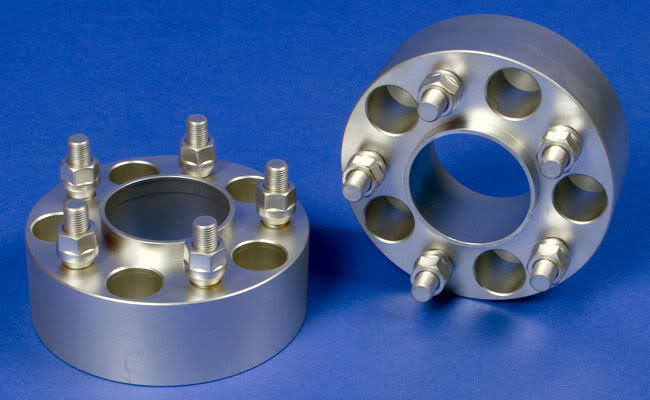

Those holes do not look like through holes unless the pics are not clear to me. And even if you drill through there are no reccess shamfers to make installation possible. What brand and size are those. Maybe I am not thinking hard as well





Either way, when you've purchased spacers that thick, you've already purchased wheels that were 2" too narrow.
Just an FYI for anyone in the market for spacers: I needed a set of 15mm adapter-type, hub-centric spacers and was about to purchase the Ichiba V2's from B2AutoDesigns in Florida. When I placed my order I found out the Ichiba's were out of stock, but they offered to sell me their own B2Auto brand spacers (which happened to be a few dollars less than the Ichiba). I figured I would take the chance and support a forum sponsor. Plus the parts shown in the photos B2 posted in their vendor classified thread looked promising.
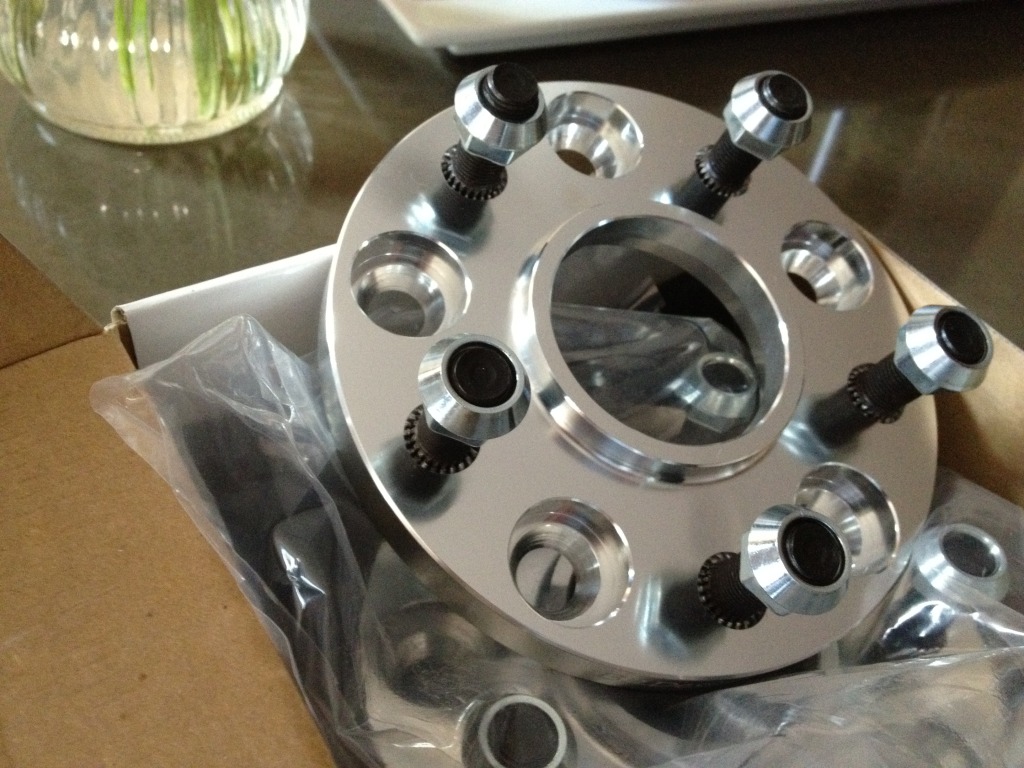
Received the spacers a few days later and I was pleasantly surprised. The quality is as advertised (appearance-wise). The packaging is professional and the parts were in good condition. The construction appears to be of high quality and feels sturdy, i.e. clean machining work and studs pressed firmly into the spacers. My main concern is that the lug nuts supplied with the spacers, to hold them to the wheel hubs, are a bit of a thin-height design, and I was worried that torquing them to the factory spec (I do 84 lb-ft) would be too much. But B2 confirmed that it was an acceptable torque level so I went for it. After about 30 miles of driving I took the wheels off and checked torque on the spacer nuts, and they were still torqued to spec.
I would recommend these spacers as an alternative to the "name" brands out there. I'll keep an eye on them for how they hold up to weather, road grit, brake dust etc.
NOTE: If you end up buying these, you will need a 17mm thin-walled socket to secure the spacer lug nuts. The spacers do not come with any special installation tools since the lug nuts have a standard hex nut contour. You may need a deep socket since the nut is a bit thin and your stock studs will be protruding through the nuts. Do not use a standard 17mm hex impact socket because the wall is too thick.
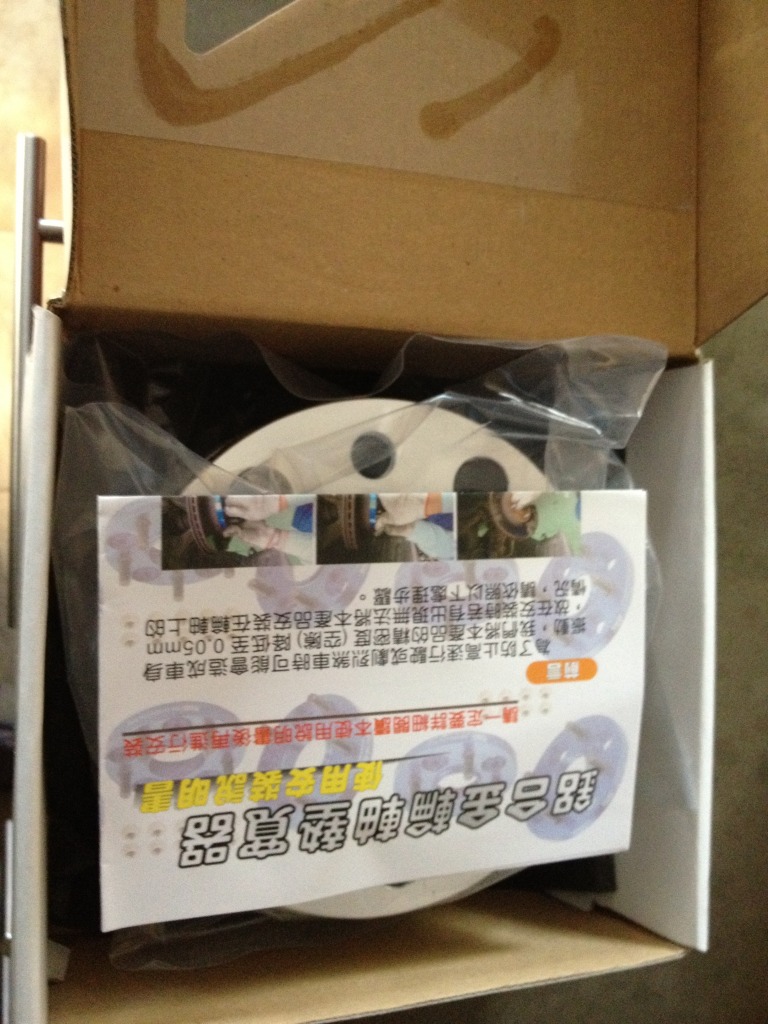
I don't know who actually manufactures the pieces, but based on the installation instructions in the package it appears to be someone in Japan.
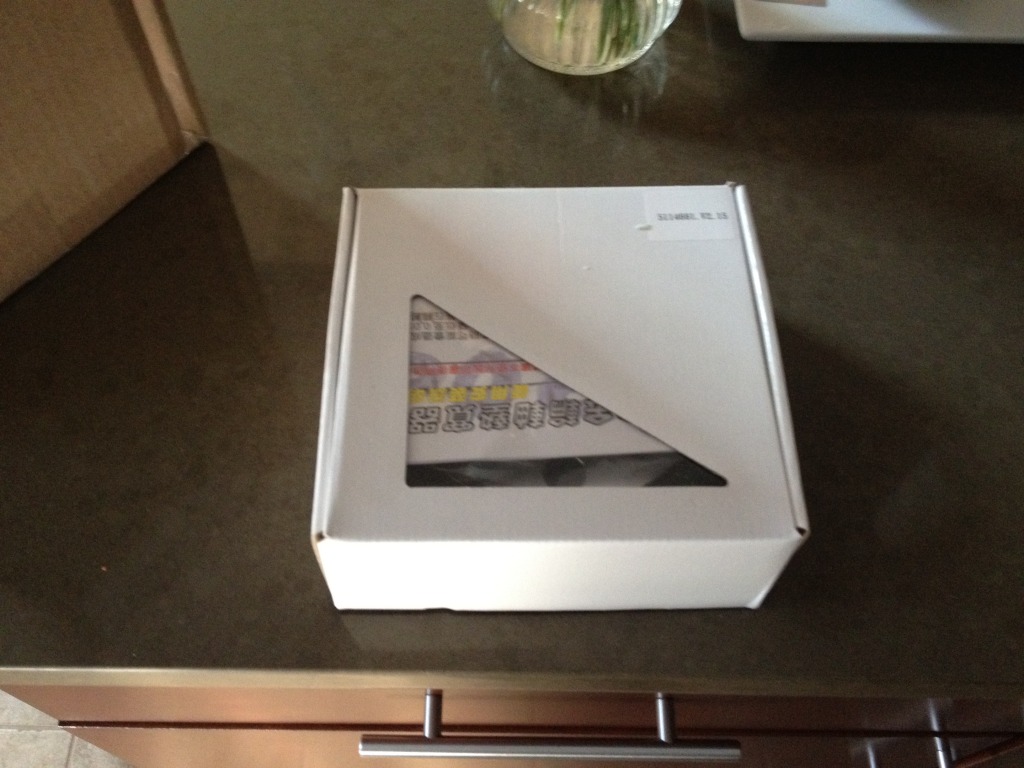
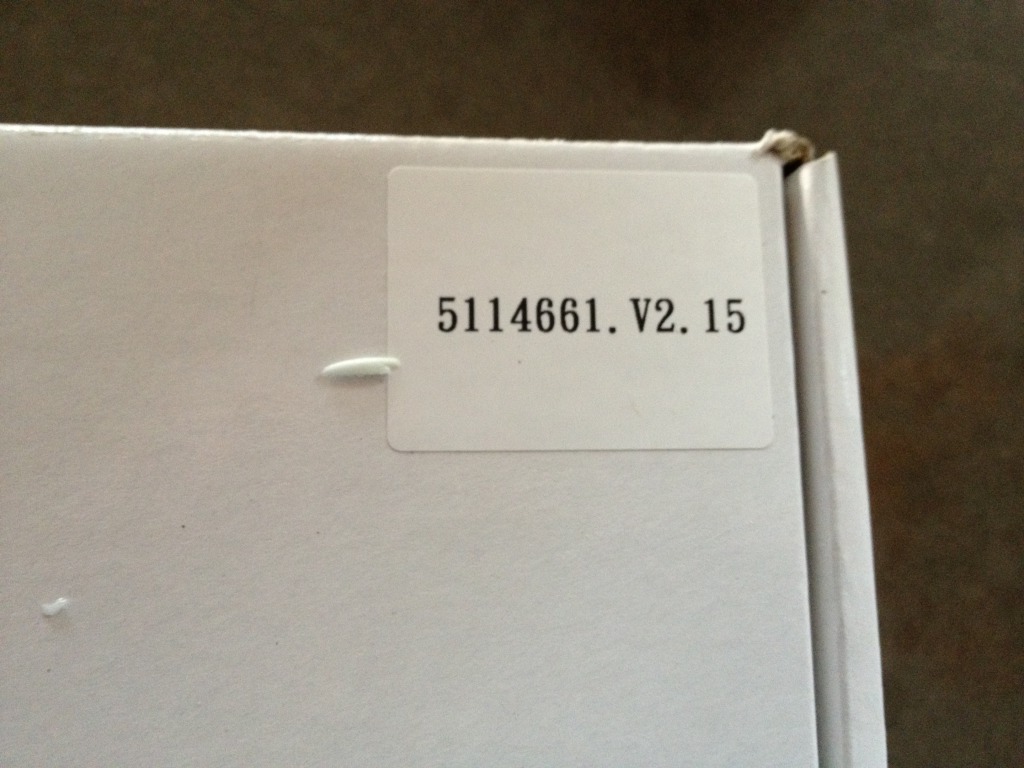
Here are some pics of the spacers as-received:
Received the spacers a few days later and I was pleasantly surprised. The quality is as advertised (appearance-wise). The packaging is professional and the parts were in good condition. The construction appears to be of high quality and feels sturdy, i.e. clean machining work and studs pressed firmly into the spacers. My main concern is that the lug nuts supplied with the spacers, to hold them to the wheel hubs, are a bit of a thin-height design, and I was worried that torquing them to the factory spec (I do 84 lb-ft) would be too much. But B2 confirmed that it was an acceptable torque level so I went for it. After about 30 miles of driving I took the wheels off and checked torque on the spacer nuts, and they were still torqued to spec.
I would recommend these spacers as an alternative to the "name" brands out there. I'll keep an eye on them for how they hold up to weather, road grit, brake dust etc.
NOTE: If you end up buying these, you will need a 17mm thin-walled socket to secure the spacer lug nuts. The spacers do not come with any special installation tools since the lug nuts have a standard hex nut contour. You may need a deep socket since the nut is a bit thin and your stock studs will be protruding through the nuts. Do not use a standard 17mm hex impact socket because the wall is too thick.
I don't know who actually manufactures the pieces, but based on the installation instructions in the package it appears to be someone in Japan.
Here are some pics of the spacers as-received: